


5.0
Based on 113 reviews
powered by

Maria Street
8 months ago
Andrew Terry is a dedicated osteopath, empathetic and understanding. He helped me through my pain of hip and knees. I felt comfortable and at ease with him from the outset. Consequently the sessions were helpful, pleasant and effective.

LANG studio (LANG.studio)
9 months ago
Jade was great, very thorough and really listened to me before moving on to physical treatment. I felt in very good hands, and felt much more mobile following the session, and confident in Jades approach. They even guided me through exercises I could continue with to improve the problem area further, I would thoroughly recommend!

Eliza Zake
9 months ago
Jade is a very warm and welcoming practitioner. She took the time to listen closely to my concerns, explained everything clearly, and was attentive to my body during the session, never pushing it. I left the appointment more relaxed, and the mobility in my neck had improved. She also gave useful tips what to do at home to help keep the tension away. I really appreciated that she took the time to fully address concerns that focus beyond the area that is causing the issues. Highly recommend.

Brett Cahill
9 months ago
I can’t recommend Compass Health and Andrew Highly enough for the expertise, and care I received over the past 6 months
To be honest I wasn’t in a good way when I first attended the clinic and was fearing the worst on my first assessment with Andrew
I had a whole multitude of issues ranging from multiple bulging discs and inflammation in both my neck and Lower back , Constant tingling in my arms and numbness in my hands , Nerve compression causing me months of pain in the back of both legs , and sleepiness nights of just trying to manage the symptoms I was having especially when laying in any position
However I’m happy to say after 6 months of him guiding me through a whole range of exercises and treatment and giving me things to work on while I wasn’t in the clinic and endless information he sends you by text or email throughout, I feel a different and pain free person thanks to him and Compass Health
Thank you Andrew

Alessandro Mezzone
9 months ago
I saw Nadia for shoulder pain and she was absolutely incredible. She is professional, attentive, and really takes the time to understand what's going on. She's been treating me for a month and I can really feel the difference. She also gave me exercises to do at home, which are speeding up the recovery process. I would recommend her 100% to anyone looking for an excellent osteopath.

Jay Browning
11 months ago
I visited the wonderful Laura a fantastic osteopath for persistent knee pain that had been affecting my daily activities. From the first appointment, she carried out a thorough assessment and clearly explained the cause of my symptoms. The treatment was gentle but effective, and they also provided exercises and practical advice that helped my knee improve between sessions. After just a few visits, my mobility increased and the pain significantly decreased. Excellent care and a very positive experience overall!

Russell
11 months ago
I went to see Ali after a severe back spasm left me in a lot of pain and with limited mobility. From the first session he was incredibly reassuring and attentive to the exact issues I was having and he took the time to really listen, putting together a realistic plan based on what I could physically manage at each stage. It was a genuinely personalised plan rather than the generic advice I’d have been following on my own to help achieve a quicker recovery.
I found it quite hard to articulate what I was feeling in my back, but that wasn’t a problem for Ali, his thorough assessments in each session meant he understood what was going on with me and how each movement felt at each stage of recovery better than I did. It was worrying to suddenly be so debilitated following the injury so having someone who could identify the issue, explain it clearly, and map out how things would improve was incredibly reassuring. Each session was jam packed with useful information and steps towards recovery, yet never once felt rushed.
Thanks to his guidance, my pain and mobility improved far more quickly than I expected. I’m usually someone who puts these things off, but this time I really needed help, and I’m glad I didn’t wait. The experience was so positive that I’m now going back for sessions for a different long-term issue, which says a lot about how highly I rate the help Ali gave with the back injury. I’d absolutely recommend him

M
11 months ago
I had a diagnosis of spondilolythesis and had spent thousands getting treatment from a very reputable clinic in Central London. I was still in a lot of pain after several sessions and prescribed meds including injections so I decided to try somewhere more local. As soon as I stepped into Compass I felt very zen - hard to explain. During my session I was asked questions that I had not even considered. It was very clear that their ethos is healing. After just 2 sessions of gentle physio + shockingly do-able at home exercises my back massively improved over time. I'm back at the gym. I'm so grateful that I walked into this clinic. It's hard sometimes to believe this is me!!! Springing out of bed and working out 3 - 4 times a week. Not so long ago I thought I would have to get a back brace. Even the one time when I lifted silly kg weights and my back got sore, the at home exercises sorted me out. These guys are healers and I am forever grateful.

Dean Harry
1 year ago
Alister is outstanding, really approachable and friendly which made me feel relaxed he definitely knows his stuff would absolutely recommend to anyone
Response from the owner
Hi Dean, thanks so much for this wonderful review. We're so lucky to have Ali as part of our team. He is almost annoyingly talented at what he does haha. So pleased you've had such fantastic results with him!1 year ago

Sara Saadat
1 year ago
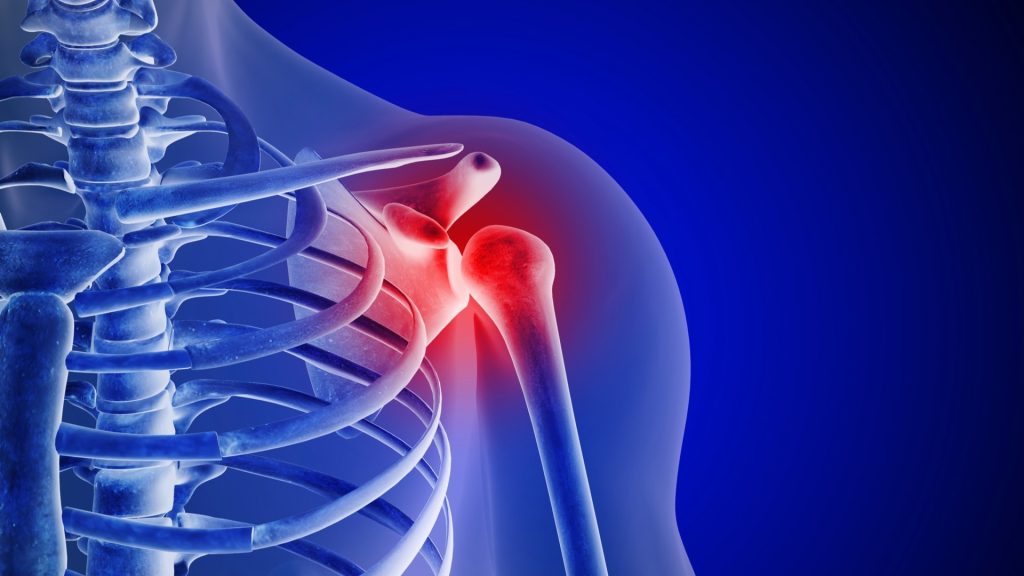
i could not recommend Andrew more ! he helped me with shoulder and upper back pain that had been affecting my comfort and sleep for years in one session and also taught me exercises i can do to prevent it from happening again
Response from the owner
Awww. It was so wonderful being able to help you with your shoulder and getting some good sleep. Thank you for being such a fantastic human patient.
1 year ago

David Aminzade
1 year ago
Had a very painful back pain. Andrew agreed to see me the next day and rapidly diagnosed the problem as a reaction to the extended rotation in my golf swing.
After treatment an following the exercises I was shown I was able to go back to playing golf in just four days.
Great job, thanks Andrew
Response from the owner
You took all the advice on like a champion. Well done and so pleased you not only got back to playing golf but won your match!!! Well played!1 year ago

Evie Ratcliffe
1 year ago
I came to see Andrew after months of having debilitating knee pain. Having sessions of shockwave therapy combined with the exercises I was given made a huge difference. After months of pain, I have finally seen progress and feel like I have my life back. I can’t recommend Andrew enough!
Response from the owner
Aww that's such a lovely review Evie. So proud of what you've been able to achieve after being in pain for so long. You've done the hard part, we've hopefully just shown you the fasted road to get to where you need to go. Good luck in the future!1 year ago

Richard Larby
1 year ago
Had what I assumed was a slipped disc a few weeks ago, I bent down to pick up my dog and couldn't stand back up again. Andrew recommended some quite manageable exercises that have got me back on my feet and completely eradicated the pain that was radiating down my leg.
Response from the owner
Thanks Richard. You absolutely smashed it. You've done so well and in such a short amount of time. Well done!!1 year ago

Ting Tang
2 years ago
I have been going to Compass Health Clinic for my tennis elbow now for a few months and very impressed by their services and expert knowledge in the field. Their physio and shockwave therapy treatment are fantastic and with immediate pain relief and a well thought out recovery program to help keep the pain away. Andrew and his team are extremely professional, and their booking system is very flexible and great user experience. I cannot recommend Compass Health Clinic highly enough.
Response from the owner
Thank you for your lovely review, Ting! We're thrilled to hear that you've had a positive experience with our services and treatments for your tennis elbow. It’s wonderful to know that you've managed to make such a quick recovery from an injury that is known to take some time. Your recommendation means a lot to us, and we look forward to continuing to support your recovery journey.2 years ago

Richard Hasseck
2 years ago
I had a number of joint issues and started to feel a lot better after my second treatment and this has continued . The therapist was professional and friendly but most importantly the treatment is working.
Response from the owner
I'm so pleased we've been able to help and support you become pain free. Great news!!2 years ago

Julia Hall
2 years ago
Excellent. Been seeing Andrew for a couple of years. He is very knowledgeable and cares about one's wellbeing, so is always suggesting new exercises, etc.
Response from the owner
Thank you Julia. It's been wonderful watching the progress over the last couple of years and seeing your resilience increase. We really appreciate your kind review.2 years ago

Hax
2 years ago
Andrew is a life saver. Very compassionate and welcoming. The centre is in a very nice location, and very nice and clean inside. Recommend highly
Response from the owner
Thank you for the lovely review. I'm so pleased you're doing well. Have a wonderful festive period! :)2 years ago

Naomi Stone
2 years ago
I was fortunate to see Alistair Gibson when I had a consultation after a knee injury in December 2022 and continued to see him regularly for other muscular aches and pains.
Ali was a Physiotherapist with several years experience and during Covid decided to study further and gain Osteopathic knowledge and expertise and so is both a professional Physiotherapist & Osteopath
He has a warm caring cheerful personality and after his assessment and diagnosis will explain what he proposes and why.
He has strong "magical" hands that ease and relieve your symptoms, and will prescribe set exercises to further alleviate your symptoms, following with a hard copy of the exercises as a reminder.
I have confidence and trust in Ali and walk out feeling so much better, so will you

Azim Khaki
2 years ago
Ali’s work with my mum has been transformative for her.
Ali is very knowledgeable in is his field, my mother has been working with Ali for over 2 years now focusing on Vestibular Rehab, and General Physio therapy for back and neck and knee pains, she is 80 years old and Ali has a wonderful client relationship with mum, he is fair but firm, Gentle yet tough and very calming for my mum. Recently she has been diagnosed with vascular dementia and her dizziness is what is making her home bound, as a previously fiercely independent woman, mum is finding this a challenge. Having Ali in all our lives has been life-changing for the way we are able to care for mum.
Ali is vibrant, knowledgeable, makes the client feel very comfortable and confident with their exercise and work that has to be done to heal them, make them stronger, fitter, healthier or be rid of their ailments.
Ali is a wonderful physiotherapist to have during your recovery, or long term physio needs. An asset to any physiotherapy team/organisation.

Sarah Biffen
2 years ago
I have had back pain for a long time. I came to see Ali for a few sessions to treat it. Ali listened thoroughly to my symptoms and came up with a treatment plan that has been so successful! I can’t thank you enough!!

Terry Tastard
2 years ago
Adam listened carefully to me and his treatment was given with care and consideration. Well worth it.

Daniela Wong
2 years ago
I am very particular who I choose to treat my body, as I am a Sports Massage Therapist. I have had other Osteopaths, Chiropractors, Physiotherapists and I have not benefited enough from treatments or much aftercare.
I have been searching for a while for a quality Osteopath to help me with MSK imbalances, and am surprised to find the clinic my doorstep at Finchley.
I had Adam for my first treatment, he worked on areas of chronic tension that I have for a while. I felt immediate relief, and it faded away after 2 days. He gave me a couple of effective and achievable exercises for aftercare.
Adam is really knowledgeable, professional and personable. I highly recommend him and will refer him to my clients. Thanks so much Adam!

Izzy Kilikita
2 years ago
Highly recommend Compass Health Clinic!
I saw both Andrew and Adam during two visits while suffering with awful neck pain and barely able to move my head. Andrew squeezed me in for an appointment at short notice and really helped to reduce the pain quickly and increase my range of motion after just one visit and giving some very helpful exercises. Adam and Andrew are both very friendly, knowledgable and professional.

mahendran rajeevan
2 years ago
I have been a patient of Andy’s for the past few years. I have had chronic back pain and sciaitica over the years. I have been to a few other osteopaths but find Andy’s approach to be exceptional. He looks at things in a holistic manner rather than being mechanistic. His knowledge base and bed side manner is fantastic. I cannot thank him enough and would recommend the Compass clinic without a second thought.
Many thanks,
Raj

Katy
2 years ago
I saw Andrew this week during an episode of acute lower back pain, when I was struggling to move at all. He was gentle, kind and informative, giving me plenty of tips on how best to hold myself and move. After 45 minutes of exercises with him, I had regained much of my movement and it continues to improve. I wouldn’t hesitate to recommend him - he’s wonderful!

